In Kenya, a seismic shift in the relationship between religion and government is causing ripples of concern among citizens and observers alike. The growing influence of evangelical churches within the government, epitomised by President William Ruto’s overt displays of faith, raises fundamental questions about the separation of church and state in a secular nation. This article looks into the profound implications of this intertwining, questioning the very fabric of Kenya’s democracy and its commitment to secularism.
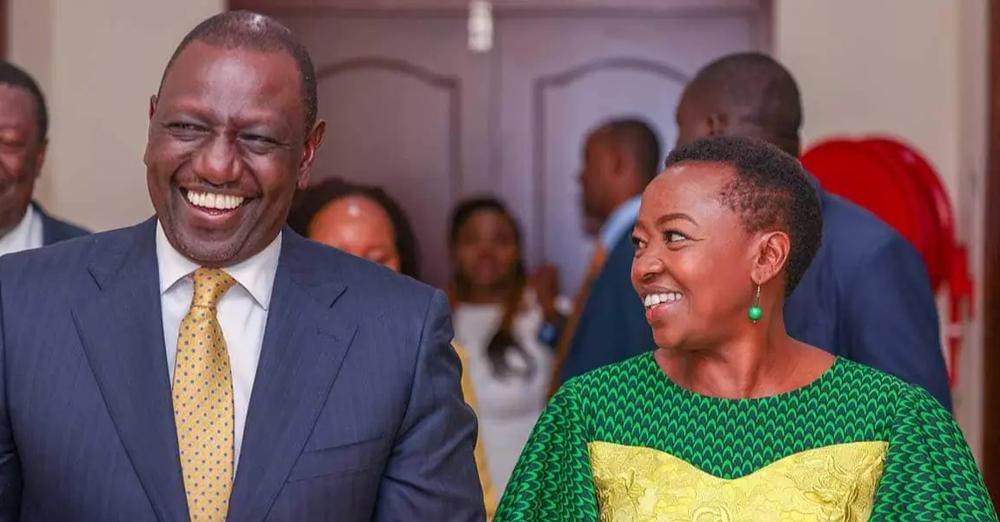
The scene on September 25 at the State House in Nairobi was nothing short of dramatic. President William Ruto, barely three weeks into his presidency, invited around 40 evangelical pastors to the presidential residence. What followed was a ceremony of “purification” led by televangelist Mark Kariuki, a close ally of Ruto. As the pastors prayed to drive out “all the forces of evil,” the symbolism was stark: religion was no longer a private affair but a cornerstone of the new administration. Rachel Ruto, the First Lady and a pastor herself, further cemented this religious integration by preaching to State House staff every Monday and organising monthly Thanksgiving services. Such overt displays of faith within the highest echelons of government are causing unease among many Kenyans. Githieya Kimari, an editorial writer for The Standard, voiced a common concern, reminding citizens that Kenya is a secular nation where religion should remain separate from state affairs.
President Ruto’s embrace of evangelical Christianity is not a newfound zeal but a calculated political strategy. During his tenure as vice president from 2013 to 2022, Ruto openly supported the born-again movement, even constructing a private altar in the vice president’s official residence. His campaign was characterised by sermons and religious rhetoric, culminating in a victory declaration attributing his success to divine intervention.
Ruto’s alliance with evangelical churches was not merely symbolic. Between January and June 2018, he donated a staggering $600,000 to these churches, a sum significantly exceeding his official salary. This generosity, viewed by many as suspect, paid political dividends. Approximately 2,000 pastors from the Rift Valley endorsed his presidential candidacy, leveraging their congregations to bolster his support base. The depth of this collusion became evident on May 5, when an agreement was signed between Ruto’s Kenya Kwanza coalition and the Association of Pentecostal and Evangelical Clergy of Kenya (APECK). The pact included 16 proposals to promote the church’s interests within the nation, including self-regulation of churches, land allocations, clergy appointments to government positions, and tax exemptions.
Televangelist Mark Kariuki, a key figure in this alliance, dismisses concerns about the separation of church and state. He argues that the church has a duty to engage in politics to “clean it up.” However, this growing influence of evangelical churches is troubling. These institutions, often awash with large sums of money, now have the potential to sway legislative decisions. Damaris Parsitau, a professor of religious studies at Egerton University, warns that this influence extends to judicial appointments, with Chief Justice Martha Koome, an ardent churchgoer, upholding Ruto’s election victory and attributing it to divine will.
The current protests in Kenya, driven by the Gen Z population, underscore the mounting frustration with the government’s actions. The controversial finance bill and budget proposals, perceived as oppressive, sparked widespread demonstrations, leading to a temporary withholding by President Ruto. Now, the focus has shifted to the churches, which are seen as complicit in the government’s questionable practices. The protests highlight a critical issue: government officials disbursing large sums of money in the name of “harambee” (fundraising). This raises pertinent questions about the sources of these funds. Amid increased taxes and unmet development promises, citizens wonder if tax revenues are being diverted to fuel these displays of generosity. This practice not only undermines public trust but also blurs the lines of accountability and responsibility between the church and the state.
The intertwining of church and state under President Ruto’s administration represents a significant departure from Kenya’s commitment to secularism. The state appears to be coercing the church, particularly evangelical denominations, into supporting its agenda, thereby compromising the church’s role as a moral and spiritual overseer. This collusion not only threatens the integrity of religious institutions but also jeopardizes the democratic principles upon which Kenya was founded. In a nation where 80% of the population identifies as Christian, the influence of religious leaders is undeniable. However, their role should be to provide spiritual guidance, not to serve as extensions of political power. The church must reclaim its independence and uphold its oversight responsibilities, ensuring it remains a beacon of moral authority rather than a tool of political manipulation.
Conclusively, Kenya stands at a crossroads, facing the perilous consequences of a blurred line between church and state. The growing influence of evangelical churches within the government threatens to erode the nation’s secular foundations, compromising the integrity of both religious institutions and democratic governance. As citizens grapple with increased taxes and unmet promises, the need for clear boundaries and accountability becomes increasingly urgent. The church, particularly evangelical denominations, must resist the coercive pull of political power and reaffirm its commitment to spiritual and moral guidance. Only by maintaining a clear separation between religion and state can Kenya ensure the preservation of its democratic values and the trust of its people. The nation’s future depends on this critical balance, and the time to act is now.