
Gabriel Simon Lulu
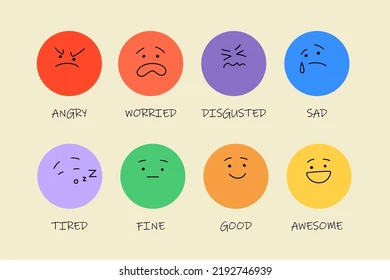
Do you wish to grow in emotional intelligence for a better living?
What is emotional intelligence?
Emotional intelligence is also known as emotional quotient or EQ. It is the ability to understand, use, and manage emotions positively to relieve stress, communicate effectively, empathise with others, overcome challenges and defuse conflict (Segal, Melinda, Lawrence, & Shubin, 2022). Emotional intelligence helps one build stronger relationships, succeed at school and work, and achieve career and personal goals. It can also help one connect with feelings, turn intention into action, and make informed decisions about what matters most. (Segal, Melinda, Lawrence, & Shubin, 2022) Emotional intelligence can be measured as “self-awareness, self-regulation, motivation, empathy, and social skills” (MindTools, 2022). People with high EQ can identify how they are feeling, what those feelings mean, and how those emotions impact their behaviour and, in turn, other people. However, managing the emotions of other people is not easy. One cannot control how someone else feels or behaves. However, if one can identify the emotions behind their behaviour, one may better understand where they are coming from and how to best interact with them. (Mental Health America, 2022).
People come from different cultural backgrounds, and each culture may have different ways of handling emotions. In dealing with different personalities from various cultural backgrounds, one must first grow emotionally. After that, one may understand why some individuals react and behave a certain way without judging them harshly. It is essential to treat and process each individual’s emotions differently. They need to become empathetic with them to have a conducive and safe environment. Feeling empathetic with them may allow them to express feelings without suppressing or repressing them. This approach can always help one to offload, hence grow healthy emotionally. But to achieve all these processes, a helper needs first to grow emotionally by being aware of his/her emotions, control them, understand where they come from, and express them healthily. This implies one may not give what he or she does not have. When an individual is given an accessible environment and an understanding heart and mind, he or she can quickly grow emotionally. However, when there is no freedom to express, a presence of threat, and over-demanding respect, one is likely to be drawn into defence mechanisms. These mechanisms include suppression of emotions, repression, sublimation, projection, and displacement.
Therefore, for one to grow in emotional intelligence, he/she needs to grow first in self-knowledge, i.e. knowing oneself and having self-acceptance. To live emotionally healthy, one needs to grow in the ability to express emotions, share with friends or peers, seek counsel, track one’s emotions through journaling, and undertake mindful exercises to help one relax emotionally and many others. It is, therefore, essential to grow in emotional intelligence to live a happy and healthy life in the community and have excellent social skills. This would be fostered by how aware they are of their emotions, how they regulate them, and how empathetic they are with others. As one is coming to the end of this article, one may ask this question, therefore, whether the growth in emotional intelligence is stagnant or progressive in his or her life.
References
Mental Health America. (2022). Emotional Intelligence: The Key to Better Mental Health. Retrieved from [Mental Health America website URL]
Mind Tools. (2022). Emotional Intelligence (EQ): Understanding and Improving Your Emotional Intelligence. Retrieved From [MindTools website URL]
Segal, J., Melinda, S., Lawrence, R., & Shubin, L. (2022). Emotional Intelligence: A Practical Guide to Achieving Success in Your Life and Career.
This article is authored by Gabriel Simon Lulu, a Master’s student in Counselling Psychology at Uganda Martyrs University.
