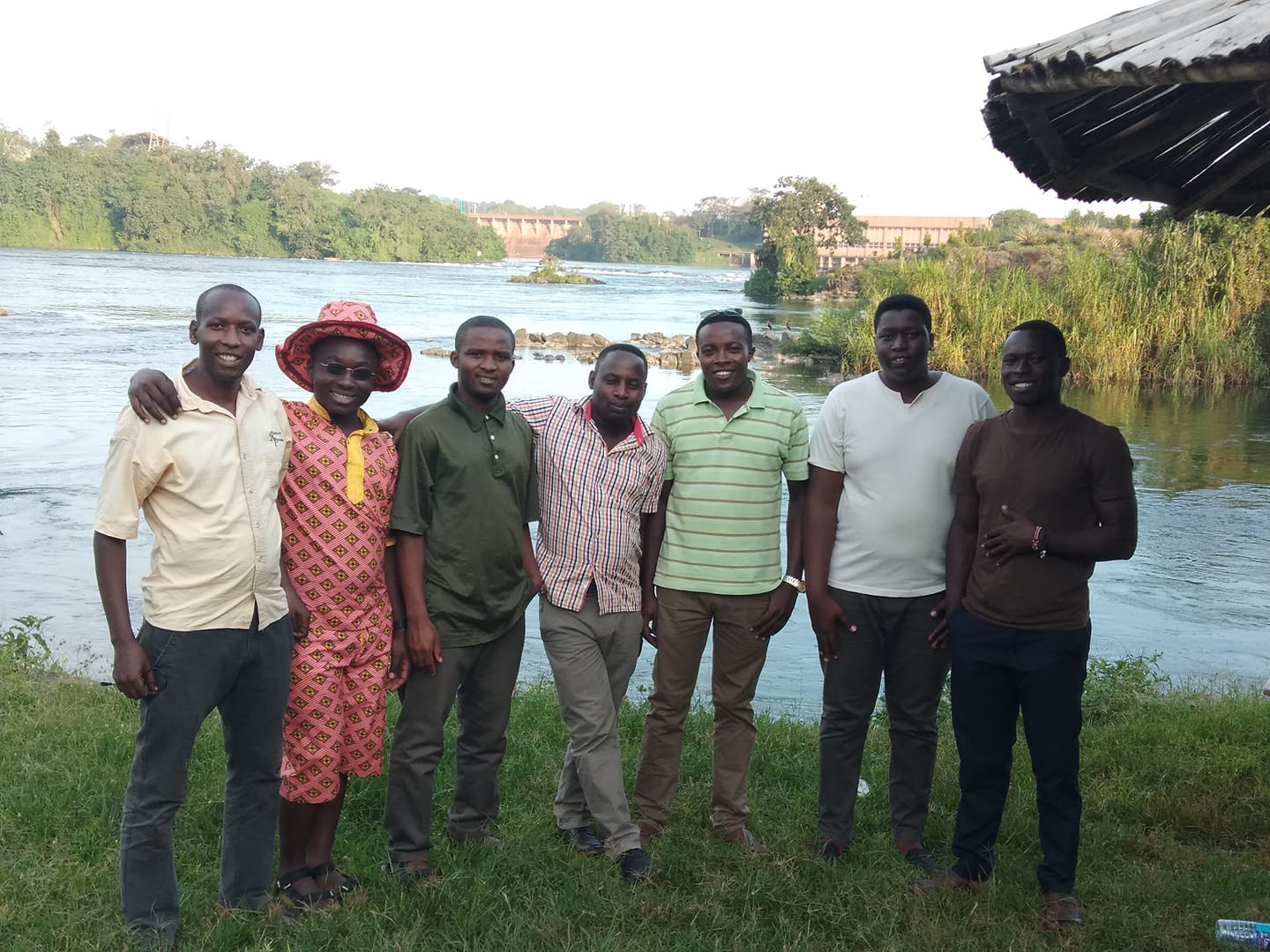
As the years have unfolded, like chapters in a splendid growth narrative, I have been a steadfast observer of the transformation from nascent curiosity to robust academic pursuit. Witnessing this evolution, particularly palpable within the heart of Uganda, has been nothing short of awe-inspiring. The perennial return to this nation is less a matter of obligation and more a heartfelt reunion; the connections fostered with my students have blossomed into enduring bonds, transcending the conventional archetype of teacher and student to touch the realm of mentorship that endures over time.
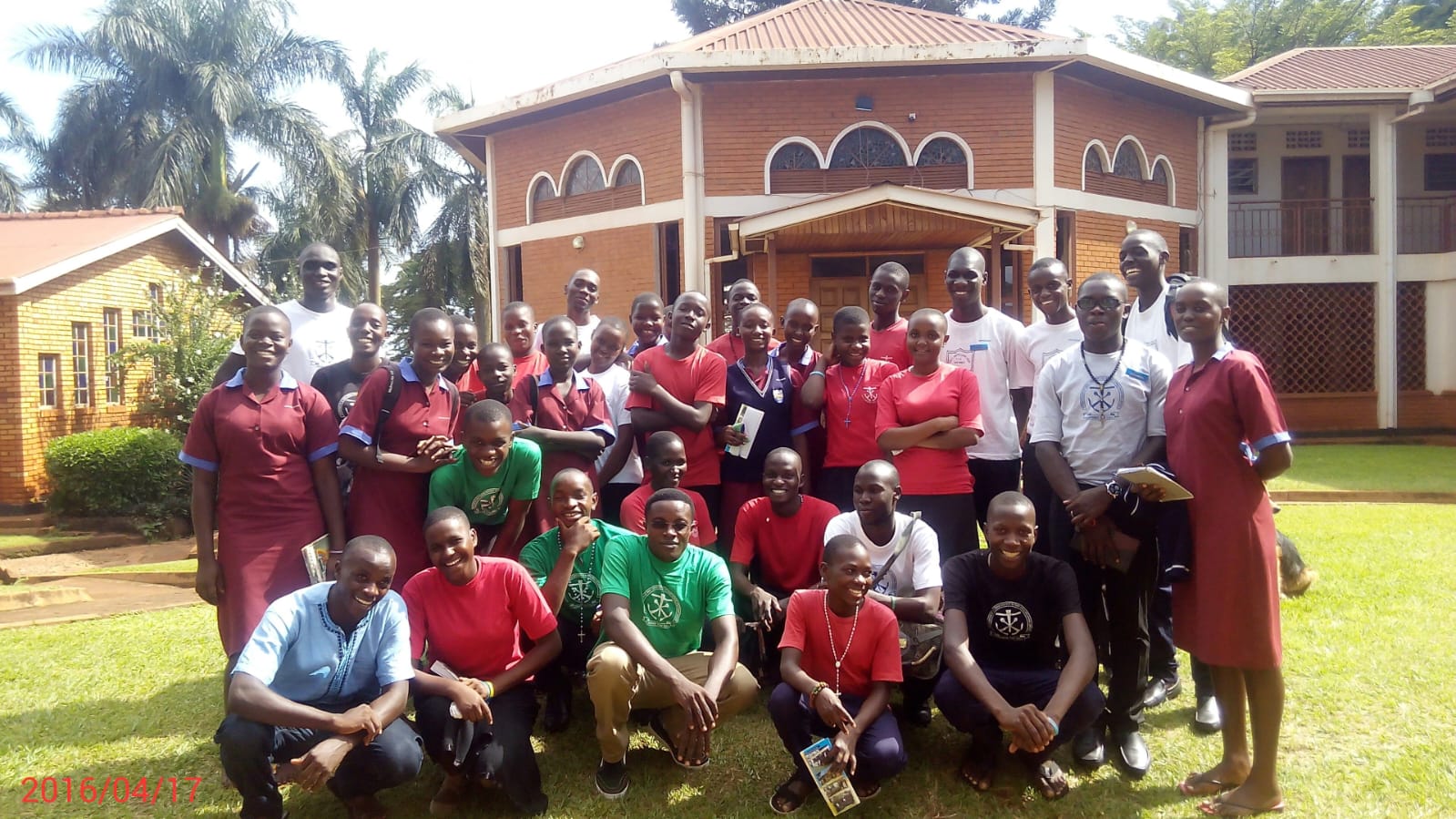
Embarking on a cross-continental journey from Kenya’s verdant landscapes to Uganda’s rich pearl, I have been afforded the remarkable opportunity to shape numerous young minds’ intellectual and ethical fabric. As an educator, my journey has been marked by an exchange of wisdom between diverse cultural panoramas, each classroom a microcosm of the broader, vibrant spectrum of East African life. This professional experience has been one of reciprocal enrichment, with each lecture delivered contributing to an ever-expanding repository of pedagogical finesse and insight into the manifold nature of student engagement across varying educational settings.
In the spontaneous confluence of reunion, where the atmosphere is aglow with reminiscences and shared aspirations, there lies a profound testament to the enduring impact of heartfelt educational relationships. Whether over modest meals or reflective beverages, the warmth of my former students, now navigators of their own professional voyages, extends invitations that resonate with a deep sense of gratitude and mutual respect. It is within these gatherings, unscripted and suffused with solidarity, that the true impact of my tenure is most palpably felt, affirming the significance of genuine connections forged within the academic sphere.
Our dialogues, as rich and varied as the individuals partaking in them, stretch beyond personal triumphs to encompass broader discussions on global matters, economic landscapes, and the ever-shifting societal montage. Within these exchanges, the intellectual seeds sown in the fertile minds of youth come to bear fruit; my erstwhile students, through their articulate and critical discourse, exemplify the quintessential outcome of a rigorous educational foundation. Their ability to engage with complex issues with poise and incisive analysis is a source of enduring fascination and pride, showcasing the potency of education to hone analytical acumen and enlightened thought.
Reflecting on these moments of reconnection, they emerge as opportunities for my students to mirror their journeys and as crucibles for my own introspection and professional growth. The insights from these interactions, peppered with constructive critique and heartfelt appreciation, serve as invaluable feedback, propelling my pedagogical philosophy and commitment to lifelong learning. As revealed through these experiences, the essence of education transcends the mere transmission of knowledge; it is an enduring catalyst for transformation and a forge for critical thinkers and builders of tomorrow’s legacy.
In the dialogue of human connection, particularly within the domain of romantic relationships, the narratives shared by my former students reveal the shifting contours of courtship in the modern age. Their experiences, whether entwined with a partner or traversed as independent souls, illuminate the triumphs of Love and its current predicaments. Once painted with broad strokes of emotion and commitment, Love’s scene increasingly incorporates the finer lines of economic scrutiny. Tales of matrimony and partnership, rich with the hues of companionship, also bear the watermark of a commodified love, prompting introspection on the true essence of romance. This emergent landscape, where affection is seemingly appraised against the material provision, suggests a redefinition of Love’s currency in our societal tenet, calling into question the depth of relationships tethered to financial expectations.
Among these varied discourses stands a singular narrative that encapsulates the crossroads faced by contemporary youth. A medical student with a vision aligned more with financial pragmatism than romantic idealism elects to defer the pursuit of Love until the grounds of his fiscal future are firm. While offering commendable focus, this deliberate strategy mirrors a common predicament, highlighting a stark choice between economic self-assurance and the enrichment of shared human experience. Such an approach underscores an evolving reality: financial solvency is becoming an increasingly significant gatekeeper to romantic engagement, prompting a recalibration of values where independence takes precedence over partnership and where the journey to self-reliance often unfolds in isolation.
Nevertheless, the fabric of this individual’s choice is woven into a more extensive societal embroidery, reflecting a generational shift where financial readiness is positioned as the cornerstone of romantic viability. This trend, symbolic of the pressures mounted upon young shoulders, places the quest for economic independence on an equal, if not greater, pedestal than the quest for emotional intimacy. As a result, the narrative of young Love is re-scripted, privileging stability over spontaneity and preparation over passion. It raises a fundamental question of how we, as a collective, can realign our expectations to honour the economic and emotional dimensions of relationships, striving for a harmony that fosters connections less encumbered by the gravity of material concerns.
As I reflect on these poignant student exchanges, the role of the educator extends beyond the academic horizon into the realm of personal development. We must instil in the youth an understanding of Love that balances material pragmatism with the intangible riches of connection, empathy and shared dreams. This synthesis of practicality and idealism lays the foundation for relationships grounded in the transient worth of currency and the enduring value of mutual respect and joint aspirations.
Encounters with my former students, now emerging as the shapers of the future, serve as potent reminders of the educator’s influence, not just on the intellect but on the holistic development of individuals. As they steer the complexities of adult relationships, their journeys underscore the essentiality of fostering an educational culture that equips them to discern the essence of Love beyond the shadows of materialism. This challenge, timeless in its relevance, calls for a comprehensive approach to education, fostering intellectual acuity and emotional wisdom: the dual beacons guiding the youth as they chart the course of their relationships in an ever-complex world.