
Kenya has long been seen as a regional powerhouse in East Africa, playing a crucial role in fostering peace, mediating conflicts, and promoting stability across the continent. From its involvement in South Sudan’s peace process to its contributions in Somalia, the country has earned a reputation as a diplomatic leader. Yet, recently, a series of missteps and controversial decisions have raised serious questions about its foreign policy direction. Is Kenya losing its diplomatic credibility? Has it become too entangled in the agendas of influential global players, sacrificing its own interests?
Efforts to mediate peace in the Democratic Republic of Congo did not proceed as intended. The discussions, aimed at resolving conflicts between the government and rebel factions, suffered from a lack of inclusivity and coordination, resulting in frustration and, ultimately, failure. This setback dealt a blow to Kenya’s credibility, highlighting the complexity of regional conflicts and perhaps revealing a degree of overconfidence in its role as an intermediary. Additionally, incidents such as the alleged abductions of foreign nationals, including a Ugandan opposition leader and Turkish nationals, have cast a pall over Kenya’s commitment to human rights. These occurrences have drawn condemnation from international observers and human rights organisations, questioning the country’s democratic image. Can Kenya genuinely assert itself as a beacon of stability if such allegations continue to surface?
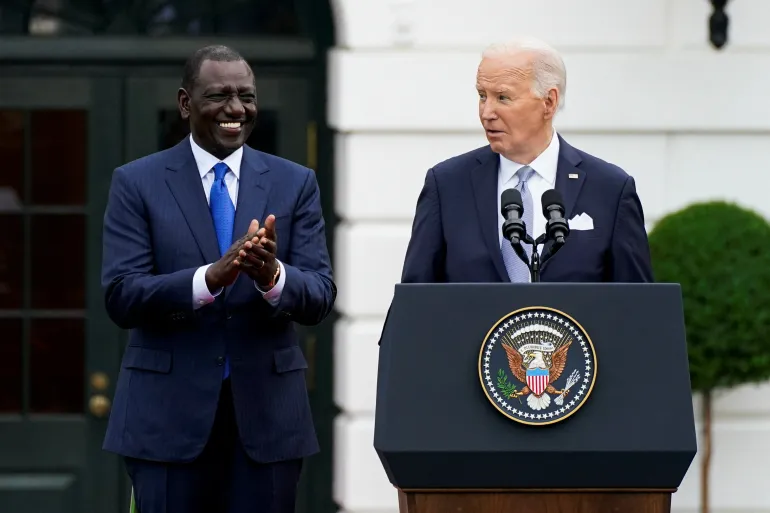
Further complicating matters was Kenya’s controversial stance on the Israel-Palestine conflict. The decision to openly align with Israel sparked domestic and international outrage, with many perceiving it as a significant departure from its traditionally neutral, non-aligned position. This move alienated Kenya from other African and Arab nations that have historically supported Palestine, raising questions about the motivations behind the decision. Was this a matter of principle or a strategic alignment with Western powers, particularly the United States? The rejection of Kenya’s bid to mediate peace in Sudan further underscored the country’s diminishing influence. Accused of bias, Kenya found itself sidelined, in stark contrast to its previous successes in South Sudan and Somalia.
Perhaps the most perplexing issue is Kenya’s decision to lead an international police force in Haiti, a nation distant from its regional priorities. This move, widely perceived as an attempt to curry favour with Western allies, particularly the U.S., has faced skepticism. Critics contend that Kenya should first tackle its own security challenges before extending its reach to the Caribbean. Meanwhile, the decision to host Sudanese rebels, despite the Sudanese government rejecting Kenya’s mediation, raises further concerns about whether the country is compromising its neutrality in favour of certain political interests.
Kenya’s diplomatic legacy is not without triumphs. The country played a significant role in mediating the Comprehensive Peace Agreement that led to South Sudan’s independence, actively contributed to peace efforts in Somalia, and provided refuge to victims of conflict from Rwanda and Burundi. It has also been a key participant in resolving tensions between Ethiopia and Eritrea. These successes demonstrate Kenya’s potential as a respected mediator, yet recent developments suggest a shift that may threaten this hard earned reputation.
A recurring concern is Kenya’s growing alignment with the United States. The country’s open support for Israel, its commitment to the Haiti mission, and its hesitancy to engage with emerging economic blocs such as BRICS all point to a deepening Western influence. Is this alignment a strategic necessity, or is Kenya surrendering its autonomy in exchange for financial aid and political favor? By prioritising the interests of Western nations over its own regional responsibilities, does Kenya risk alienating its neighbors and weakening its position as a neutral peace broker?
The consequences of such alignment are not trivial. While strengthening ties with powerful allies may provide short term financial and security benefits, Kenya’s long term sovereignty is at stake. Perceptions of the country as a mere extension of Western interests could diminish its standing in multilateral forums like the African Union and weaken its influence in regional negotiations. What happens when Kenya’s interests no longer align with those of its foreign benefactors? Will it have the leverage to pursue its own path, or will it find itself trapped in obligations that serve external powers more than its own people?
To reclaim its diplomatic independence, Kenya must reconsider its foreign policy approach. Rather than seeking external validation, the country should focus on strengthening its regional influence, addressing local conflicts with greater impartiality, and engaging with a broader range of international partners. Emphasising self reliance, reducing donor dependency, and reinforcing its commitment to human rights will be crucial in restoring trust and credibility. Kenya must ask itself: does it want to be a true leader in African diplomacy, or merely a convenient ally for global superpowers? The answer to this question will determine the trajectory of its future on the world stage.
#KenyaDiplomacy #AfricanGeopolitics #ForeignPolicy
